Originally written in French. Translated by AI — the meaning has been preserved, not the prose.
Something rather shocked me a while back. I heard it from a chief executive, someone "very important", since he had already been invited onto BFM Business (there is, obviously, a trace of dark humour on my part here). He told us: "We've already had the software translated into Portuguese, so we can go after Brazil."
As if you could simply go after a country because you'd translated your software into its language.
Well, no. Going after a country has everything to do with that country's culture. And money is surely one of the most divisive things there is, and one of the most deeply rooted in culture, from one country to the next.
We tend to underestimate that. When people talk about internationalisation, they think about language, currency, tax, perhaps customer support. They think much less about the everyday acts that structure the real economy: how people pay, who they trust, which ID numbers they use, which platforms are part of their lives, which security or purchasing-power constraints weigh on their choices.
Brazil is a good reminder of this. It is not France translated into Portuguese. It's a country with its own infrastructure, its own reflexes, its own trade-offs. And you see it very quickly in an apparently mundane scene: the moment you pay.
This piece isn't an exhaustive investigation into Brazil. It's an account based on roughly a month's cumulative stay in the State of Rio — the state around the city of Rio de Janeiro — across many shops and ordinary situations a long way from the tourist spots: the Brazil of Brazilians. But that's exactly the point: those ordinary situations are what struck me most.
A till can turn into an economics lesson
In France, paying for a few drinks and a bag of crisps is a fairly neutral act. You take out your card, you tap your phone, you pay cash, and it's done. There may be the loyalty card question, which is already tiresome at times, but it stays relatively simple.
In the State of Rio, that same moment can take on a completely different density.
You may be asked whether you're paying crédito or débito — credit or debit. You may be asked for your CPF, that is, your tax ID number (yes, tax ID number). You may be offered Pix, the instant payment system that has become ubiquitous in Brazil. You may be asked whether you'd like to pay in instalments. And all of this can happen for purchases that look, from France, thoroughly ordinary.
The first thing that surprises you is that question: credit or debit?
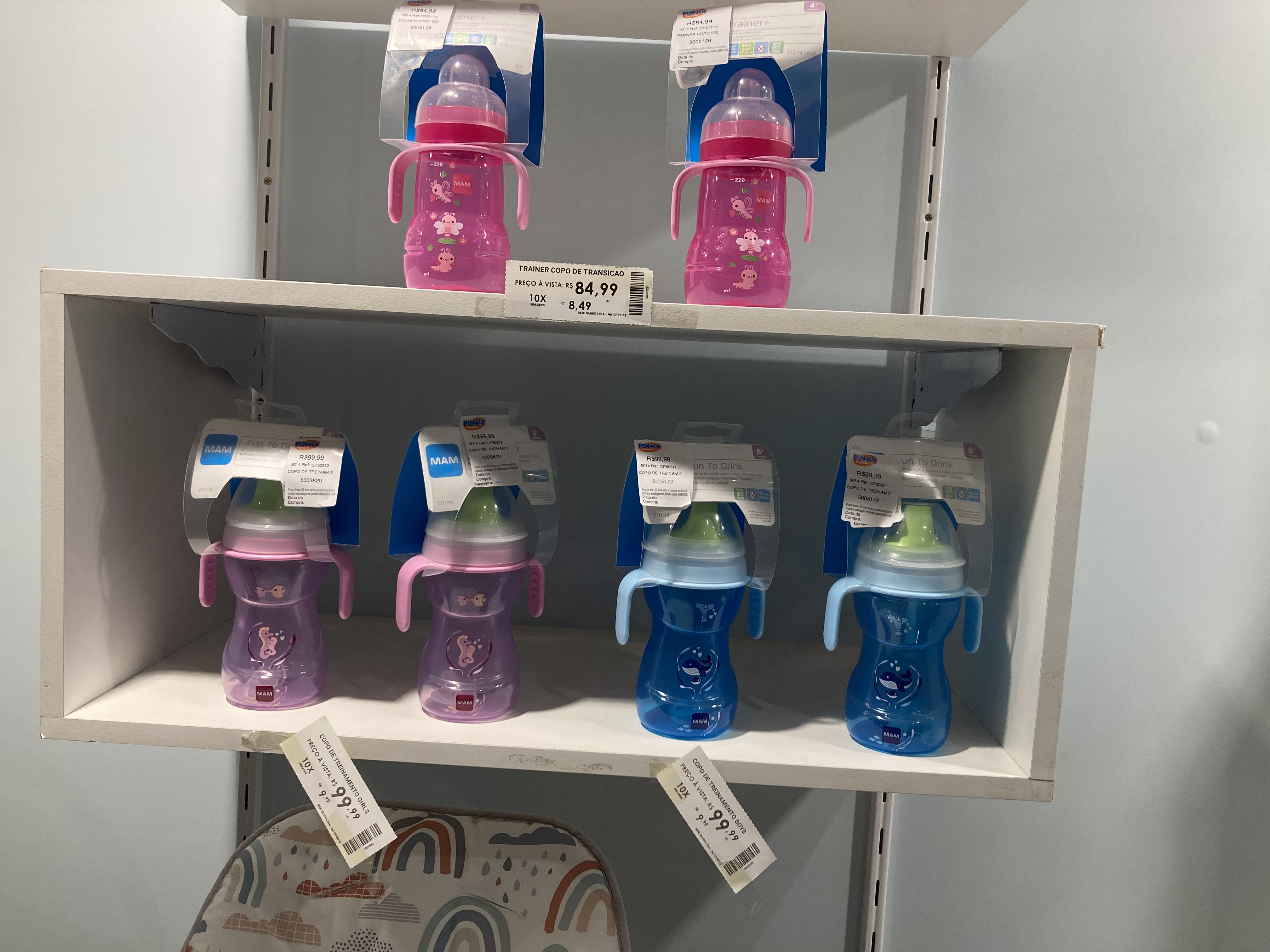
In France, credit tends to be associated with big purchases, or at least with a decision kept somewhat apart from everyday payment. In Brazil, in the scenes I watched, credit seems far more woven into the act of buying. You can pay on credit in a pharmacy, for shoes, for modest purchases. Even at around 100 reais, the Brazilian currency — under 20 euros, in other words — you may be offered the option of paying in instalments.
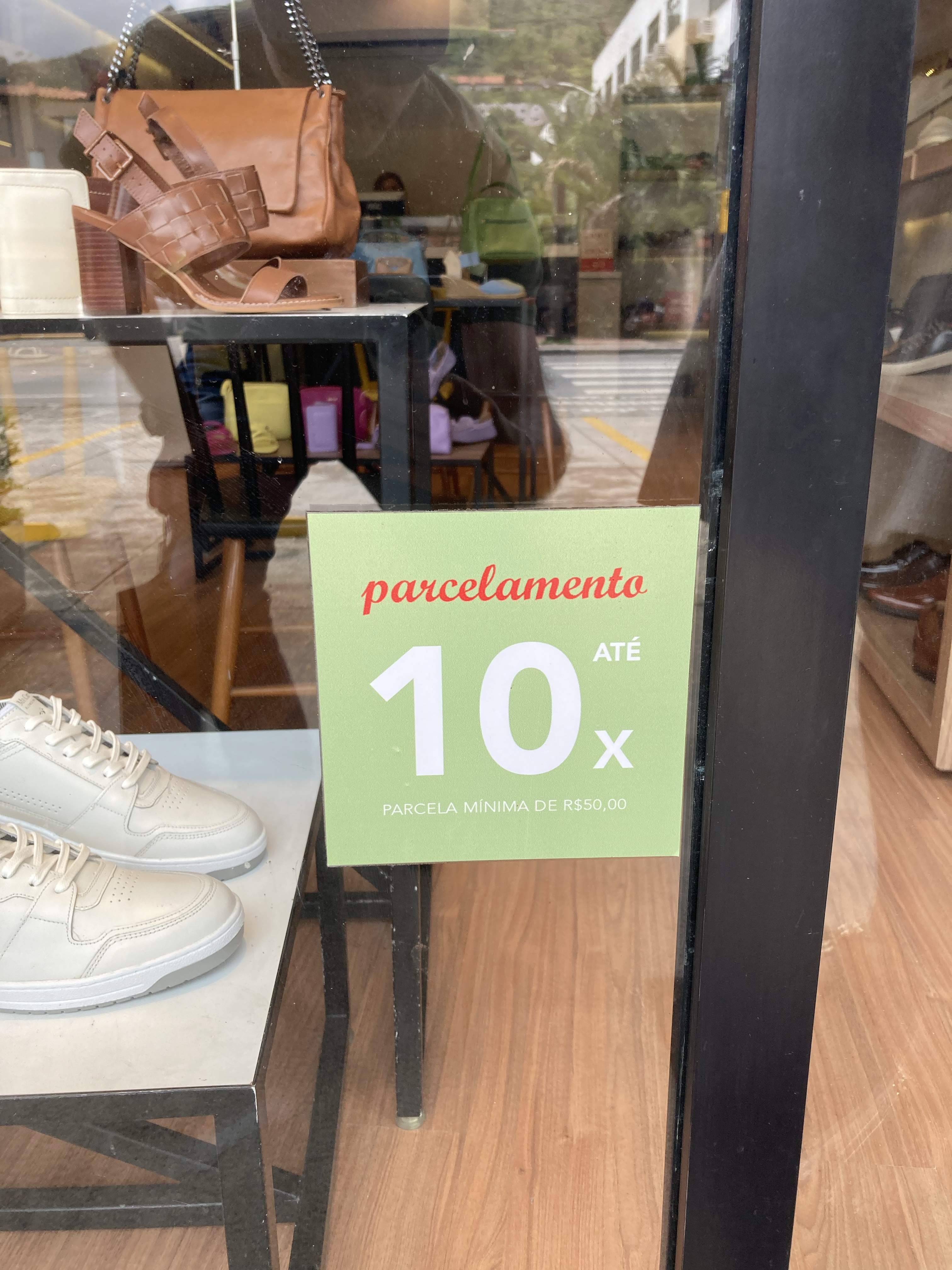
I saw someone pay for medication in eight instalments and complain about it being too expensive. It's a very simple scene, but it says a great deal. Paying in instalments can be an immediate solution, because it lets you buy something you need right now. But it can also be felt as a weight, as a constraint, as a sign that a necessary purchase is becoming hard to absorb.
And it isn't only about health spending or unavoidable costs. A pair of shoes can also be offered in ten instalments. In toy shops, including in well-heeled neighbourhoods like Barra, in Rio, you can find fairly ordinary items payable in ten instalments. For a French visitor, it's disconcerting: paying in instalments no longer looks only like a way to handle a big purchase (that is currently changing with e-commerce), or like a marker of poverty, but like a normal way of buying, including for everyday objects and for presents.
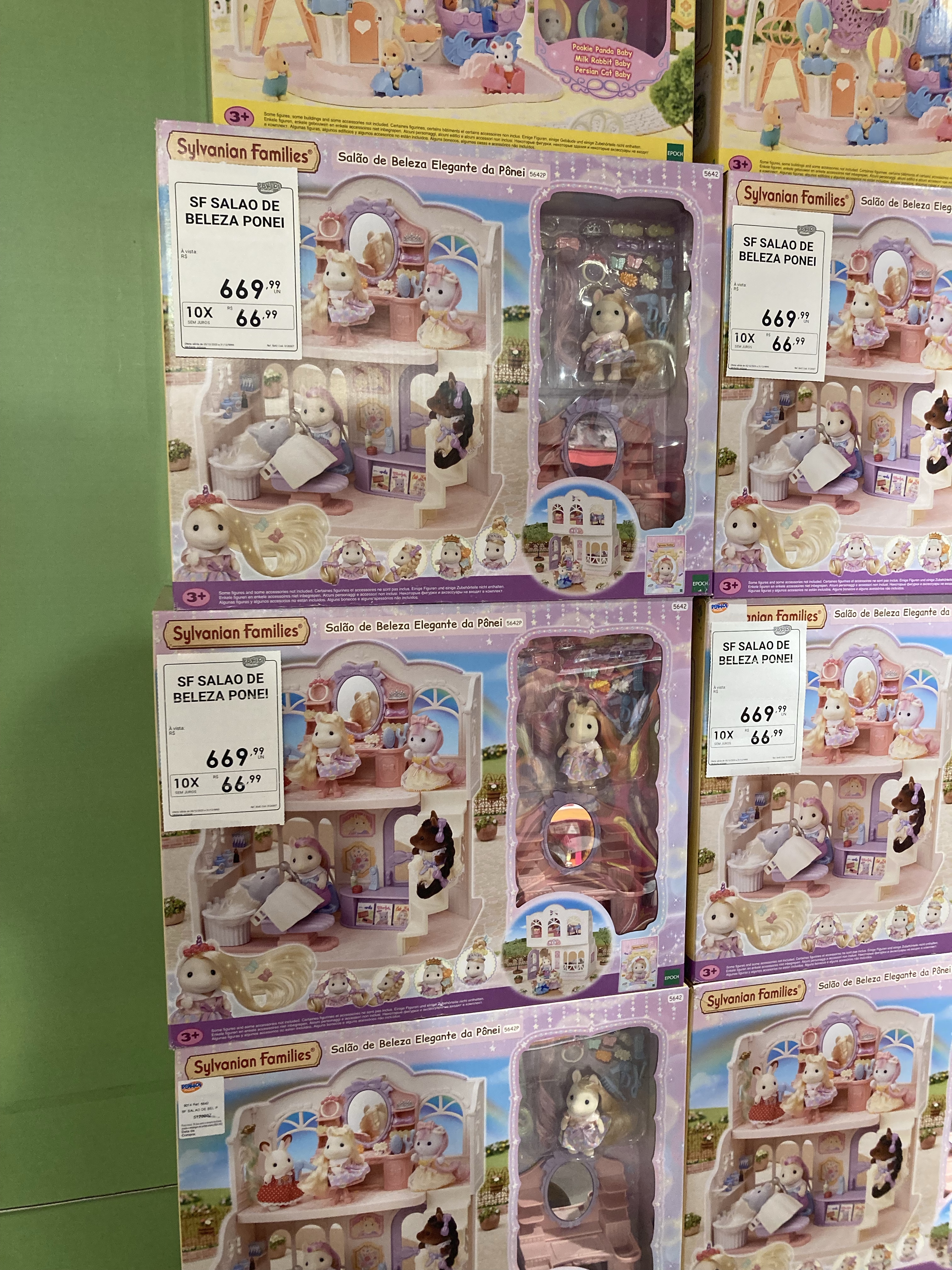
I don't know the contractual detail of each transaction I watched. That isn't the point. The point is that instalments don't look only like a marginal commercial convenience. They're part of the landscape.
The debt figures give that impression a background. Serasa, a leading Brazilian firm that tracks unpaid bills and consumer creditworthiness among other things, reports tens of millions of Brazilians in a state of inadimplência — late payments or defaults. That doesn't prove every instalment plan produces over-indebtedness, but it's a reminder that everyday credit sits inside a fragile financial environment.
The CPF, or the administrative ID inside an ordinary payment
Another surprise: the CPF.
The CPF, short for Cadastro de Pessoas Físicas, is a unique tax ID number assigned to individuals in Brazil. For a French reader, you could roughly compare it to a central administrative ID, with a practical weight that goes well beyond tax. In everyday experience, it turns up at moments where you wouldn't necessarily expect the state to appear.
In several shops, at the moment you pay, you're asked for your CPF. Not only for some major piece of paperwork. Not only to buy a car or sign a contract. At the till, for ordinary purchases like a simple coffee.
What struck me isn't only that they ask. It's how socially unremarkable the request is. When you refuse, or when you don't have one, the cashiers can be taken aback. For a French visitor, it can feel as though the ordinary transaction becomes immediately identifiable, attached to a unique number, almost brought into the tax system in its most mundane form.
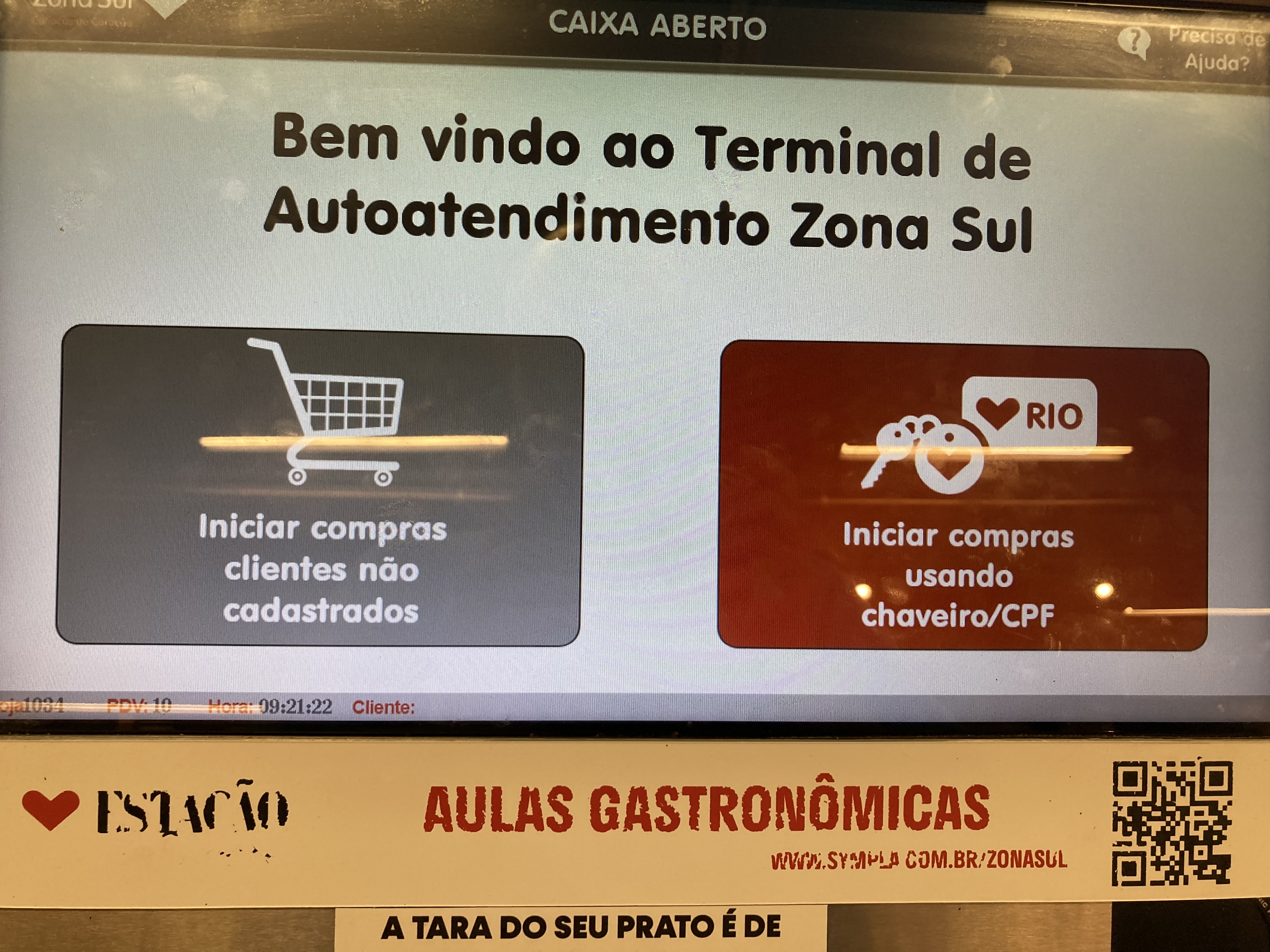
A note of caution: I'm not claiming to describe every legal rule that applies here, or to say that every CPF request has the same status. There are schemes like CPF na nota, literally the CPF on the receipt, which link the CPF to the till receipt or invoice and can work as a tax incentive. But the cultural effect is very strong: the administrative ID is part of the scene of buying.
In France, we argue a great deal about privacy, about GDPR, about personal data. In Brazil, I had the sense of a much more direct relationship between payment, identification and trace. That doesn't mean Brazilians have no relationship to privacy. It means the practical infrastructure of everyday life isn't the same.
Pix: modernity gone ordinary
Then there's Pix.
Pix is an instant payment system set up by the Brazilian central bank, which runs part of the country's monetary and financial infrastructure. Seen from France, you might be tempted to compare Pix to an instant transfer or a QR code payment. But in practice it is much more than that. Pix is everywhere.
I saw Pix in shops, in service situations, with professionals, in thoroughly ordinary settings. From the beach vendor to the doctor, Pix cuts across worlds that, in France, wouldn't necessarily use the same means of payment.
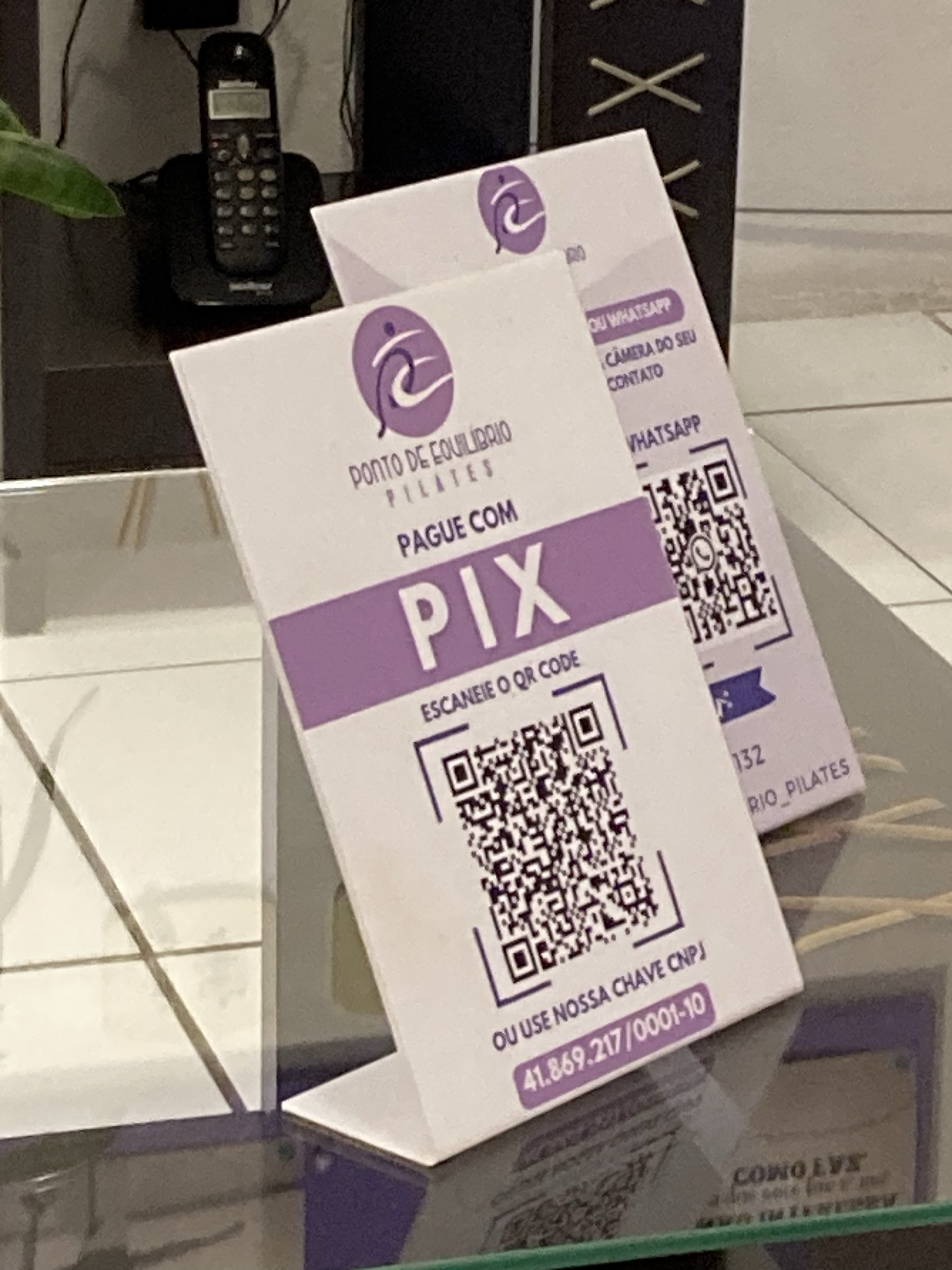
This isn't only a personal impression. The 2023 figures reported by Agência Brasil, the Brazilian public news agency, show almost 42 billion Pix transactions over the year. By number of operations, Pix has become the country's dominant means of payment. That confirms what you feel on the ground: Pix isn't a technological curiosity, it's a piece of social infrastructure.
Its appeal is obvious. No need to hand over your card. No need to handle cash. You scan a QR code, you confirm, the money is on its way. For a lot of transactions, it's simple, fast and easy to follow.
That modernity becomes even more striking when it turns up in very informal settings. That's where Pix stops being just a banking tool: it becomes a shared language between economic worlds that, seen from France, would look separate.
But there's also a security reason. On the ground, I was firmly advised against taking ordinary taxis, mainly because of the risk of card cloning. Brazilians themselves recommend Uber instead, where payment goes through the app. In that context, Pix isn't only practical: it also saves you handing your card to a shopkeeper or a driver, in a country where fraud and card cloning are seen as very present risks.
But what struck me most was how it's used in the informal economy.
The informal economy isn't hidden, it equips itself
In Brazil, the informal economy isn't some small underground reality tucked away at the margins. It's visible. It's there, in the street, on the beach, in everyday services.
It can even organise very concrete things. On a beach outside Rio, for instance, a group of men were effectively running the parking arrangements: they arranged the spaces, took people's keys, and moved cars around as others left. It wasn't a municipal car park, nor an ordinary private one. It was an informal arrangement on public space, tolerated because it made the place workable. Without them, there simply wouldn't be enough room to park.
On the beach itself, the informal economy becomes almost a complete micro-economy. Vendors come past with drinks, with maté, a drink Brazilians consume a lot of, with biscuits, ice creams, sometimes balls. You can hire a parasol or a seat. These aren't kiosks set up along a promenade: they're people walking across the sand with their goods, and they can take payment in cash, by card or by Pix.
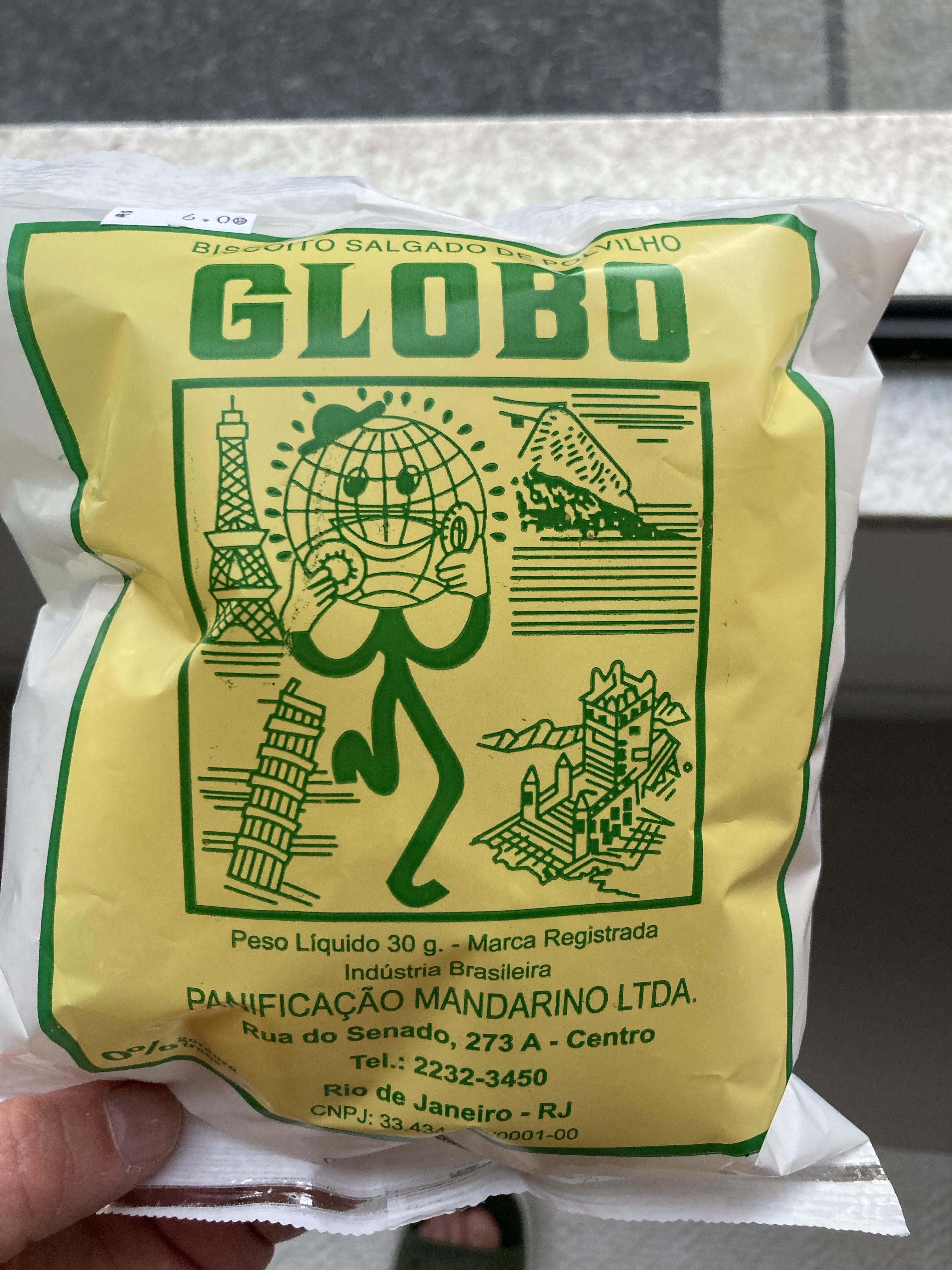
People also offer services at home. Hairdressers come to do your hair or your nails. Self-employed workers, often undeclared, turn up for small jobs. There are dog walkers, seamstresses, people who make cakes or desserts for parties. And a lot of them can be paid by Pix.
Pix doesn't create this informal economy. It was there before. It's tied to poverty, to necessity, to making do, to the absence of any adequate economic safety net (zero welfare support). In some cases the question is brutal: work or don't eat.
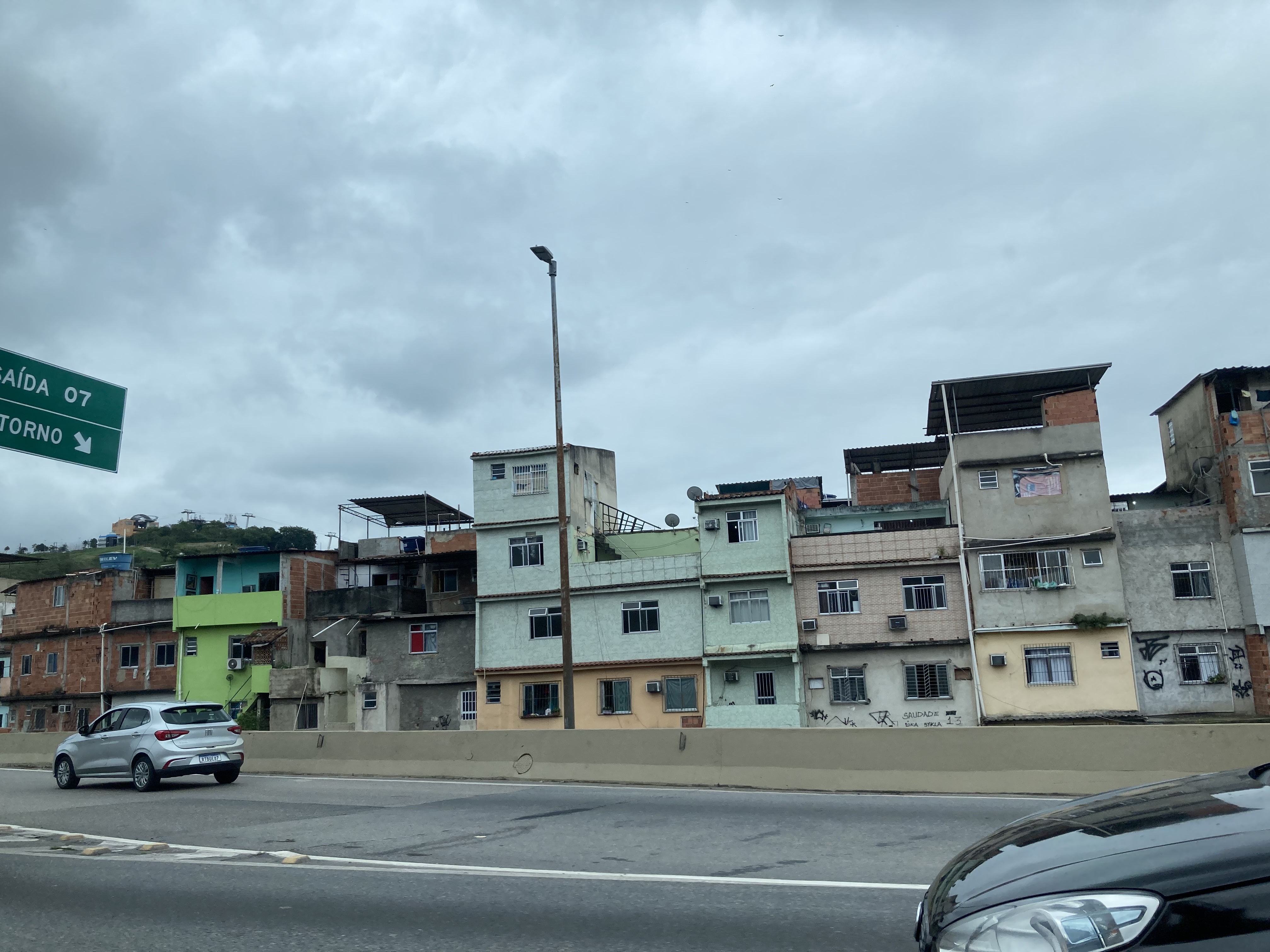
The important point is that it's often tolerated. Legally, not everything is necessarily in order. But in practice, this economy lets people earn a living, and it's useful to the people buying. It works as a social safety valve. In a country where benefits, public services and economic security don't play the role they play in France, informality isn't only an anomaly: it's also a way of holding on.
What Pix changes is that it makes this economy compatible with immediate digital payment.
You could analyse that purely through traceability: if it's digital, it's more traceable. That's true, in part. But it isn't necessarily what dominates in practice. For a small vendor, being paid by Pix also means not keeping the whole day's takings in cash. It can reduce the risk of theft or assault. It can avoid card fees. It can make the transaction simpler for the customer.
In the explanations I heard on the ground, there was also an element of mutual help: paying by Pix rather than by card can save the vendor a few per cent in fees. In a country where a lot of people live on very little, those few per cent count.
And the phenomenon isn't confined to poorer areas. In well-heeled neighbourhoods, marked by gated residences, barriers and security systems, you can see this informal economy working too. A fruit seller can turn up in an old van, cut up pineapples in the street, be known to the residents, accepted by the neighbourhood, and carry a card reader. Here again the contrast is sharp: a very secure, almost closed environment, and a street economy that carries on existing inside the everyday landscape.
And when you ask residents why this man can roll up with his old van and a machete as long as your arm (deeply shocking to a French visitor), they answer — as if it were self-evident — "we know him".
That mix is very Brazilian in what it reveals: highly modern technology, backed by the central bank, used in very informal settings, sometimes for reasons of safety or economic survival.
Modernity, control and everyday life
That's what makes Brazilian payments so interesting. They can't be reduced to a simple opposition between modernity and poverty, or between formal and informal.
Pix is modern, extremely efficient, huge in scale. But it sits inside an economy where informality is visible. The CPF allows strong identification. But it shows up in mundane purchases. Credit opens up access to consumption. But it can also expose deep financial fragility.
You see both great fluidity and a strong capacity for control. You can pay very fast by Pix, but you can also feel that a lot of things are attached to an ID number, a trace, a public or banking infrastructure.
For a French visitor, it's disconcerting. Not because Brazil is "behind" or "ahead", but because it doesn't sit on the same mental map. The solutions answer different constraints. The habits weren't built through the same economic history. The everyday risks aren't the same. The relationship to the state, to banks, to informality, to credit, to safety isn't the same.
That's exactly why a product can't simply be translated.
If your product touches payment, commerce, identity, customer data, delivery, trust, credit or even just online buying, you can't assume the market will work as it does in France with Portuguese words in place of French ones.
Language is the visible part. Culture sits underneath.
Even Amazon doesn't simply transpose
This gap isn't only about payments and about "small players".
Take e-commerce. Seen from France, or from Europe more broadly, you might have the impression that Amazon is the natural player in online retail. Amazon is extremely well established in the French consumer's mind. It's often the default reflex.
In Brazil, that reflex doesn't transpose as easily. Amazon is there, of course. But the player that shapes the market, the one holding a far more central place in local practice, is Mercado Livre, a large Latin American online retail and marketplace platform, far more embedded in Brazilian habits.
This matters because it gives a very simple picture of the argument of this piece. Even a global giant like Amazon doesn't automatically become a country's dominant infrastructure just by arriving with its scale, its brand and its translated interface. It meets a market already shaped by other habits, other platforms, other means of payment, other logistics networks, other forms of trust.
Payments let you grasp that very quickly. Paying in Brazil isn't only settling a purchase. It's entering an economic infrastructure made of everyday credit, of the CPF, of Pix, of visible informality, of practical safety and of local platforms.
Translating a product may be necessary. But if you really want to enter a country, you have to look at how people live, buy, pay, identify themselves, work around risks and organise their everyday lives.
Culture often starts right there: in the acts everyone finds normal, except you.